Why Fake Reward Sites Work (And What Makes Them Hard to Spot)
August 19, 2026
Why Fake Reward Sites Work (And What Makes Them Hard to Spot)
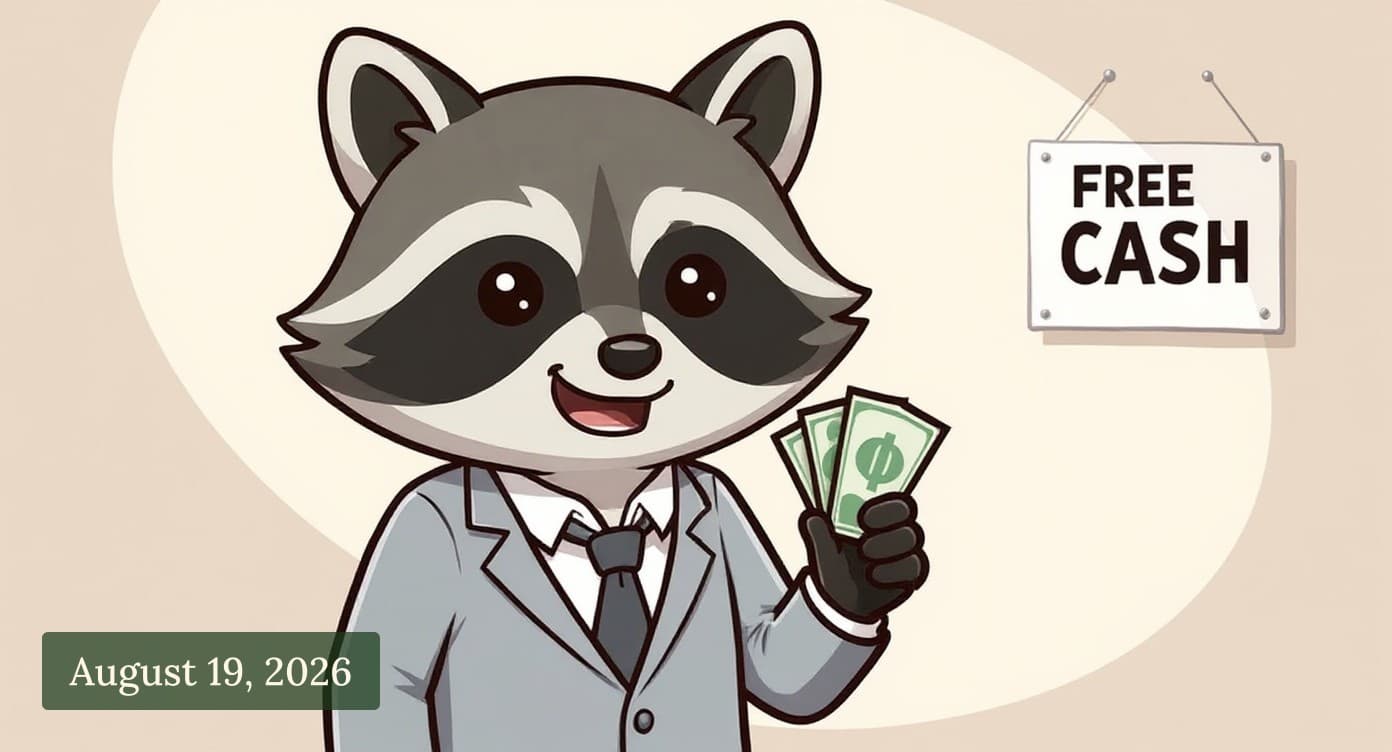
Fake reward pages are everywhere right now. TikTok-branded sites promise cash for watching videos or completing tasks. Facebook is filled with ads for the same thing. They look legitimate because they borrow the names and logos of apps you already use. They work because they exploit something that's actually reasonable: the belief that a company might pay you for your attention.
How these sites operate
A fake reward site typically works like this. You see an ad or a link. It says something like "Earn $50 a day for watching TikTok videos" or "Get paid to complete surveys." The site looks official. It has the right colors, logos, and language. You sign up. You complete a task. Then you're told you've earned money. To collect it, you need to verify your account. Or complete one more task. Or upgrade to a premium membership.
That's when you hit the paywall. The money never arrives. The site simply disappears, or it keeps asking for more verification, more tasks, more payment. Some of these sites also collect your personal information during signup, which is sold or used for identity theft.
Why they're hard to spot
These scams work because they copy real companies. A fake TikTok rewards page uses TikTok's actual design. A fake Facebook ad for a survey site looks indistinguishable from a real one. Your brain recognizes the familiar brand and assumes legitimacy. You've seen these companies advertise before. Of course they'd have a rewards program.
The second reason is that they're partially true. Some companies do run legitimate reward programs. Amazon has a rewards program. TikTok does partner with creators. The scammer's claim isn't entirely made up. It's just applied to a fake site you've never heard of.
What to do
If you see an ad for a rewards program, go directly to the company's official website instead of clicking the ad. Type the company name into your browser. Do not click links from ads or social media posts. Check whether the program actually exists by visiting the real site.
Be suspicious of any reward offer that requires personal information before payment. Legitimate companies don't ask for your full Social Security number, bank account details, or a credit card "verification fee" in order to pay you.
If a site keeps asking for "just one more thing" before you can collect your earnings, it's a scam. Real rewards programs don't work this way. You complete the task, you get paid. That's it.
The good news is simple: if you didn't go looking for the reward program, and it found you through an ad instead, treat it as suspicious. Real reward programs are used by people who've already heard of them. They don't need to advertise heavily to strangers on social media.
Sources
Fake TikTok rewards promise cash you'll never get Malwarebytes Labs
Why Facebook's war on ad blockers could help scammers Malwarebytes Labs
Enjoyed this? Get the next issue free.