Shipping Rebates With Hidden Monthly Charges, and How Platforms Help Scammers Impersonate Businesses
September 25, 2026
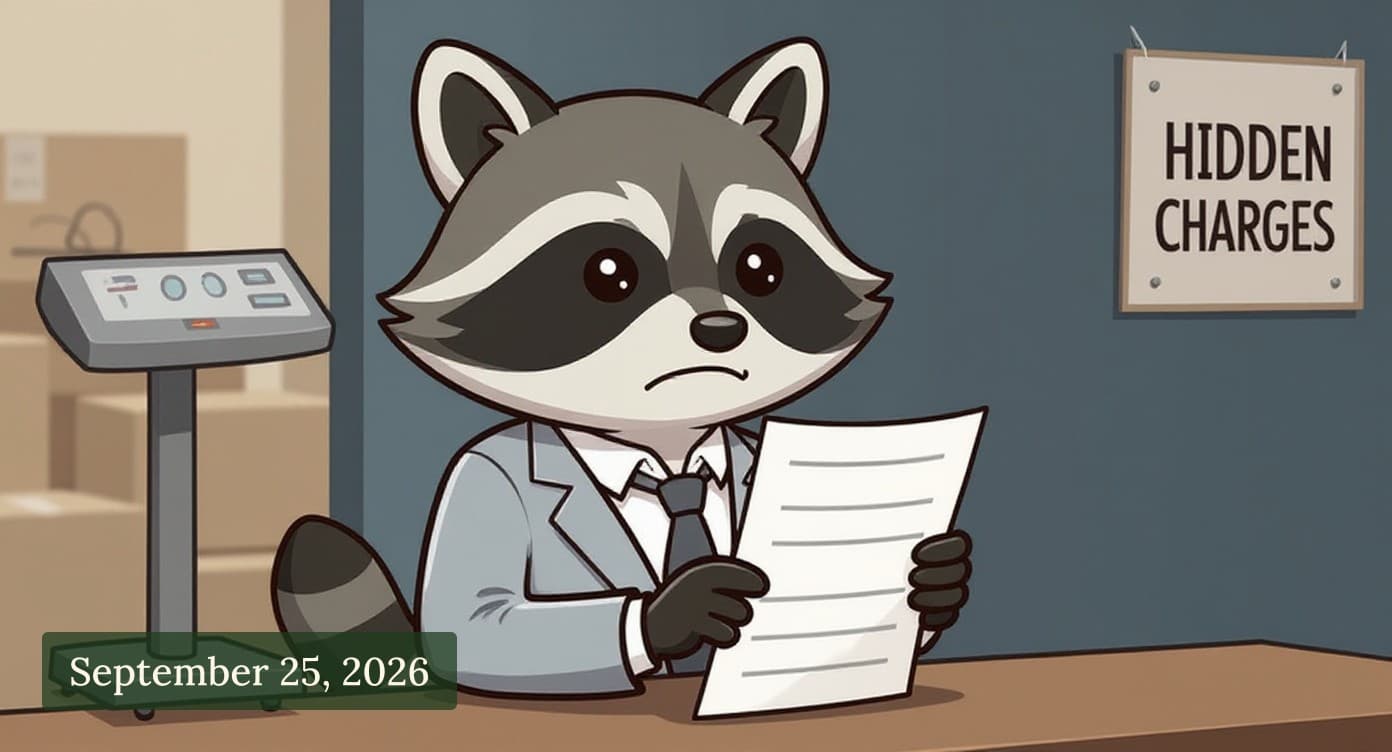
These platforms use algorithmic tools to place ads in front of people who are most likely to click. Those same tools can be used to run fake government agency ads or business impersonation ads to the exact audience most likely to fall for them. A scammer might pose as the IRS or your bank's official account. The platform's system learns that certain people engage with those ads and shows them more.
What can you do?
Before you click a rebate offer
Read the full terms before you enter any payment information. Look specifically for the words "subscription," "recurring," "monthly," or "charge." If the terms are hard to find or unclear, move on. Legitimate rebates disclose what happens after the initial offer right away.
If you've already signed up
Check your bank statements from the last few months. Look for charges from the company that offered the rebate. If you find recurring charges you didn't authorize, contact your bank and ask about disputing them. You can also try to cancel through the company's website, though scammers often hide the cancellation option on purpose. Document the charges and keep a record of your cancellation attempts.
When you see government or business ads
Verify the source. If an ad claims to be from the IRS, go directly to irs.gov instead of clicking the ad. If it says it's from your bank, call your bank's official number on the back of your card. Don't use contact information from the ad itself. Real government agencies and established businesses run official accounts with verification badges on platforms like Facebook, but even then, the safest move is to go directly to their website.
The rebate trap works because people want a good deal and don't expect to be charged after the offer ends. Stay in the habit of checking terms and bank statements, and these hidden subscriptions lose their power.
Sources
Enjoyed this? Get the next issue free.