Scammers Impersonate Amazon and Apple With Fake Charge Alerts
August 6, 2026
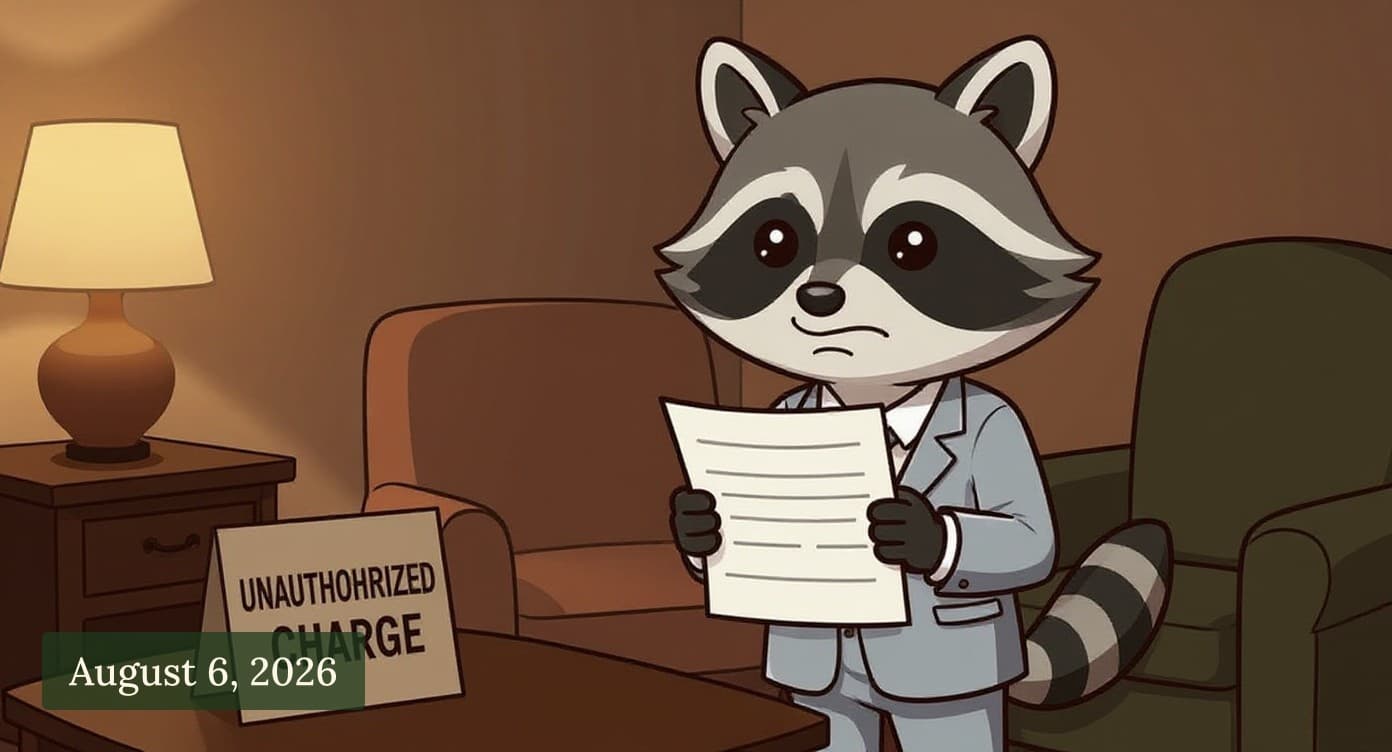
Scammers Impersonate Amazon and Apple With Fake Charge Alerts
A new scam is flooding inboxes and text messages right now. Criminals are sending fake alerts that look like they're from Amazon or Apple, claiming there's an unauthorized charge on your account for $149.99. The message looks real, the logo looks right, and the sense of urgency feels justified. That's the whole point.
What's actually happening?
You get a message—text, email, or notification—that appears to come from Amazon or Apple. It says something was just charged to your account without your permission. The message includes a link to "verify your payment information" or "cancel the charge." If you click it, you land on a fake website that looks almost identical to the real one. When you enter your password, account number, or credit card details, the scammers capture it all.
How do I know if it's fake?
Real alerts from Amazon and Apple almost never ask you to click a link and log in from the message itself. Instead, they direct you to open the official app or go directly to the website by typing the address yourself. If you got a message with urgent language and a link, that's your first warning sign. Legitimate companies also won't ask for sensitive information like your full credit card number in a message.
The scammers are using lookalike logos and familiar wording, so the alert feels official. That's why it works. But a real Amazon or Apple alert would come through your account dashboard, not a random link in a text or email.
What should I do right now?
Do not click any link in the message. If you're worried there actually was a charge, open the Amazon or Apple app on your phone or go directly to their websites by typing the address yourself. Log in and check your account. You can also call Amazon or Apple customer service using the number on your account statement or the official website. They can tell you whether the charge is real.
If you already clicked the link and entered information, change your passwords immediately—especially for Amazon and Apple. If you entered credit card details, contact your bank and let them know. They can watch for fraudulent activity and issue you a new card if needed.
Delete the message. These scams work because they create a moment of panic. When you know what to expect, you stay in control.
Also this month: Inter-Con Security, a company that manages facility access systems, suffered a data breach in June that exposed 276,000 people's email addresses, names, physical addresses, job titles, and phone numbers. Criminals used the breach to demand payment from the company. If you've worked at a facility with Inter-Con systems, your information may have been exposed. You won't be able to do much about the breach itself, but you can watch for targeted spam or scams that reference your workplace or job title—that's a signal the sender may have come by your information through this breach.
Sources
Amazon and Apple impersonated in "$149.99 unauthorized charge" scam Malwarebytes Labs
Inter-Con Security - 276,114 breached accounts Have I Been Pwned
Enjoyed this? Get the next issue free.