Manhattan DA Shuts Down Deepfake Video Sites, T-Mobile Rewards Text Scam Spreads, and Data Broker Forced Offline
September 17, 2026
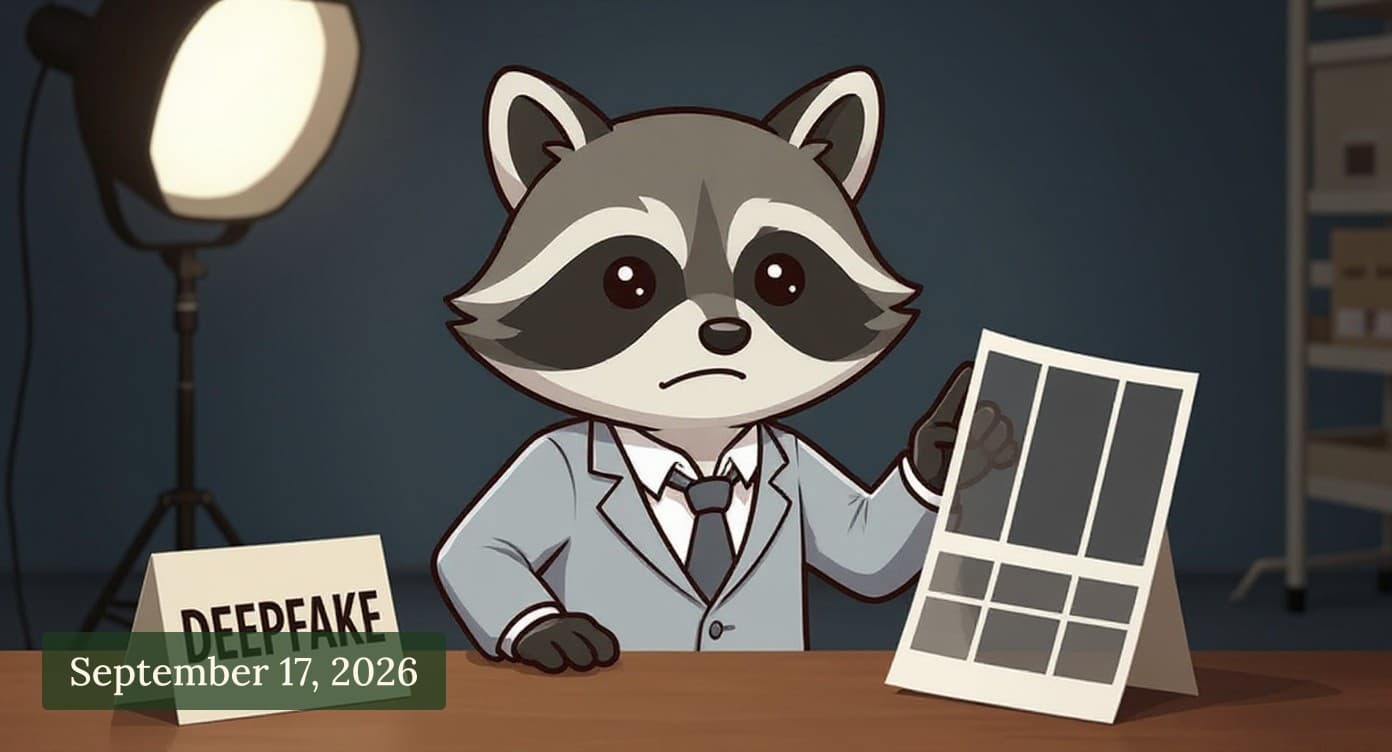
Manhattan DA Shuts Down Deepfake Video Sites, T-Mobile Rewards Text Scam Spreads, and Data Broker Forced Offline
Last week, law enforcement took action against deepfake exploitation, scammers impersonated T-Mobile, and a data broker lost its legal fight to keep selling your information. Here's what happened and what it means for you.
What are deepfakes, and why should I care about the sites that were shut down?
A deepfake is a fake video or audio created using artificial intelligence to make it look like someone said or did something they never actually did. Last week, Manhattan's district attorney shut down 12 websites that were making deepfake videos of celebrities, most of them intimate or sexual in nature. These weren't consensual. Over 1,200 people had fake videos made of them without permission.
This matters because deepfake technology is getting easier to use, and these sites were tools designed specifically to harm people. The shutdown shows law enforcement is starting to take this seriously. If you see what looks like a celebrity video that seems strange or too good to be true, it probably is.
I got a text about my T-Mobile rewards points expiring. Is that real?
It's almost certainly a scam. Scammers are sending text messages that look like they're from T-Mobile, claiming your rewards points are about to expire and you need to click a link right now. The message creates fake urgency to make you act without thinking.
If you click the link, you'll land on a fake website designed to steal your login information, phone number, or payment details. T-Mobile doesn't send warnings about expiring rewards via text. If you're unsure about your rewards, go directly to T-Mobile's official website or app instead of clicking any link from a text message.
A data broker that sells personal information was forced to shut down. How did that happen?
Radaris is a data broker, a company that collects personal information about you from public records and other sources, then sells it to other companies or individuals. For years, people asked Radaris to remove their information, but the company ignored those requests. It kept publishing details about people, including law enforcement officers, even after being told to stop.
A court finally forced the company to shut down its main domains after it refused to comply with removal requests. This is a win because it shows that people and the courts can push back against companies that profit from selling your data. You don't have to accept that your information is for sale forever. If you find yourself listed on a data broker site, you can request removal, and now we know those requests can actually work.
Sources
12 celebrity deepfake websites seized by Manhattan DA Malwarebytes Labs
T-Mobile rewards points expiry texts are a phishing scam Malwarebytes Labs
Data Broker Radaris Loses Domains in Privacy Fight Krebs on Security
Enjoyed this? Get the next issue free.