How Companies Use Health Claims and Fake Reviews to Pressure You Into Giving Up Data
July 16, 2026
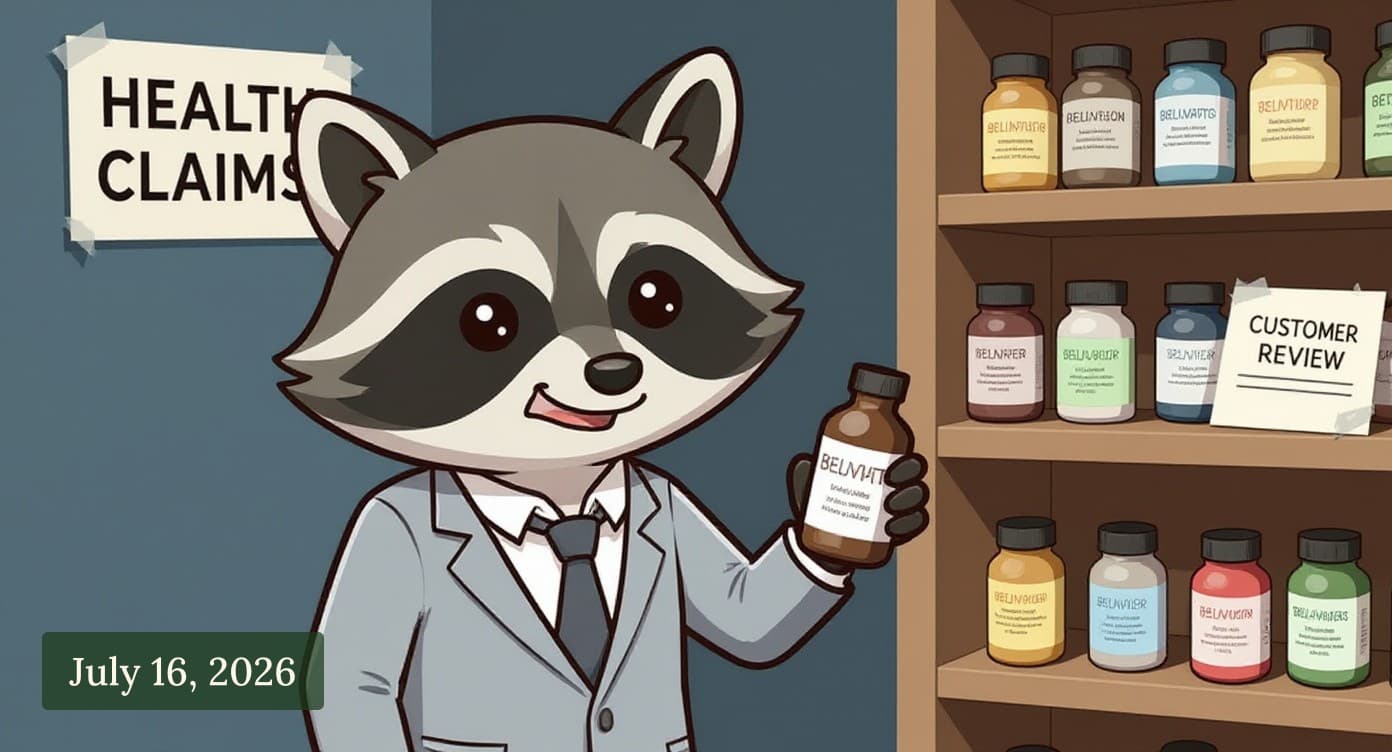
How Companies Use Health Claims and Fake Reviews to Pressure You Into Giving Up Data
Two recent cases show us a pattern worth understanding. Companies make big promises about health, use fake customer reviews to back those promises up, and pressure you to agree to things you otherwise wouldn't. When you push back, sometimes they retreat. But the tactic itself—using false health claims and manufactured trust—keeps working because most people don't know what to look for.
What Just Happened
The FTC shut down a supplement company called TruHeight that had been advertising pills claiming to help kids and teens grow taller. The company posted fake customer reviews, made health promises it couldn't prove, and sold thousands of bottles. The FTC ordered the company to pay 750,000 dollars and stop operating. This is a textbook scam: false health claims, fake social proof (reviews), and a product that doesn't do what it says.
Around the same time, Samsung announced it would delete your health data if you refused to let the company use that information to train artificial intelligence. This wasn't a scam in the traditional sense. But it was pressure. The company essentially said: give us permission, or lose what's yours. After customers and privacy advocates pushed back, Samsung reversed the threat within days.
Why This Matters
These stories show two sides of the same problem. In one case, a company lied outright to get money from you. In the other, a major manufacturer tried to use deletion as leverage to get you to consent to something you didn't want.
Both tactics work because they trade on your trust. When a company makes a health promise, you want to believe it because the stakes feel high. If a supplement could help your child, you want it to be true. If a big company like Samsung threatens to delete your health records, the threat feels real and scary. That emotion makes you more likely to give in.
How to Spot the Pattern
Health claims should come with proof. If a product says it will help you grow taller, lose weight, improve memory, or treat a condition, ask yourself: where is the scientific evidence? Real health products can show studies. Fake ones show customer reviews. Customer reviews are easy to fake and hard to verify. They are not the same as evidence.
When a company asks you to consent to something, read what you're actually agreeing to before you click yes. If the company threatens to delete, disable, or withhold service if you don't consent, that's pressure. Your data is yours. You have a right to say no. If a company makes saying no painful, that's a red flag.
What to Do
If you see a health product online, check whether the claims are backed by real studies, not reviews. WebMD, Mayo Clinic, and government health sites (like NIH.gov) can help you verify. If a company pressures you to consent to data use, you can usually opt out. It might mean losing a feature or service, but you keep your data. Read the fine print before you agree.
When companies face backlash for these tactics, they often back down. Samsung did in days. That tells you something important: the pressure only works if you feel alone in refusing. You're not. Your instinct to protect your data and be skeptical of health claims is the right one.
Sources
Enjoyed this? Get the next issue free.